
Garage door companies
Google Ads and tracking for garage door businesses.
A broken spring is an immediate problem and a new door is a considered purchase. Emergency repairs and new door installations are two separate businesses in one keyword root.

Every account managed directly by Sadekul Islam.No account managers. No handoffs.


Records from similar accounts.
No published record from garage door businesses yet. These two use the same call and form tracking in other trades.
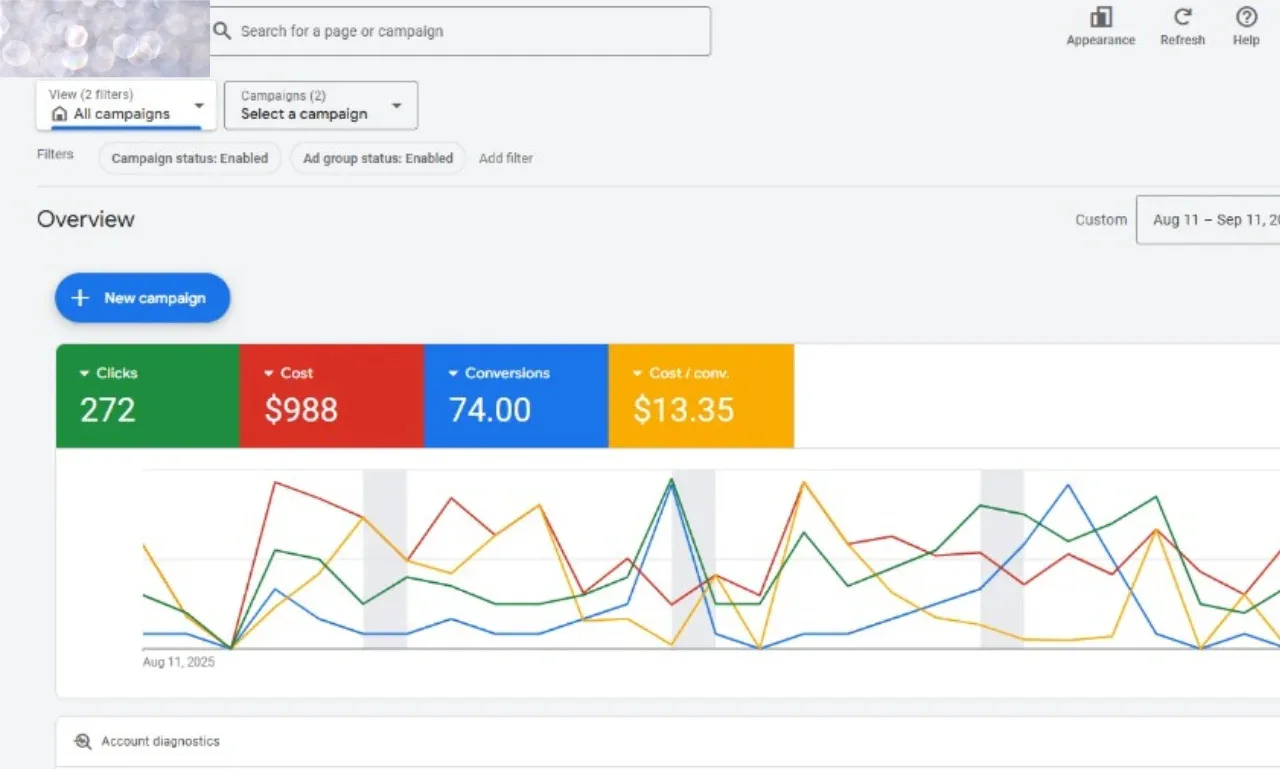
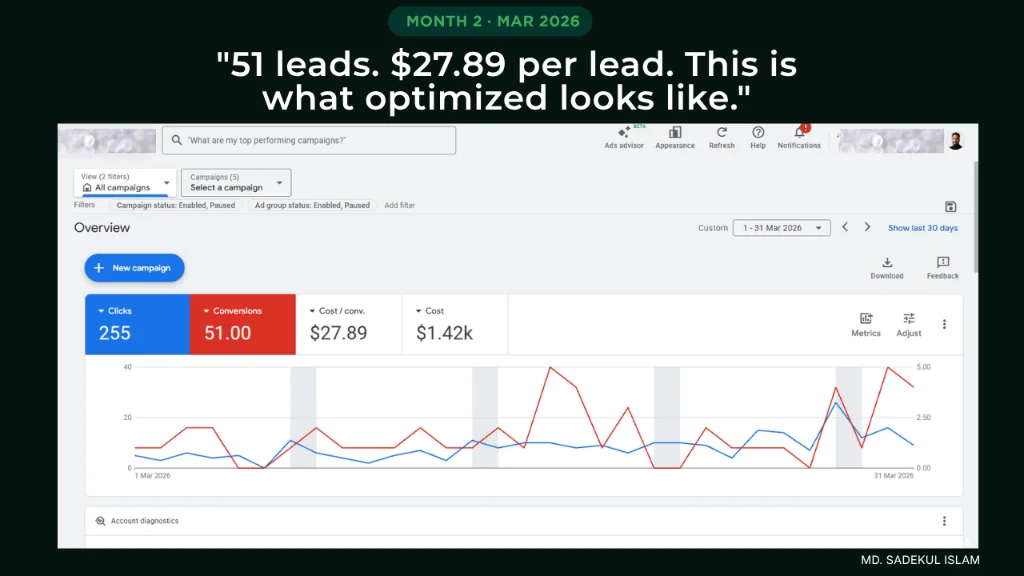
I run Google Ads for garage door businesses around the service calls your crew can book. A broken spring is urgent, and the customer wants a technician now. A new door is a considered purchase, priced and compared before anyone books. The same keywords attract both, and the two buyers share little else.
I run Google Ads for garage door repair and installation companies around that split, with call-quality checks and every dollar reported. Every engagement gets a fixed test budget and an end date, both in writing before launch.
A broken spring and a new door are separate decisions
“Garage door” covers a spring repair and a full door install. Those two jobs do not share a price, a timeline, or a buyer.
A broken spring, a bad opener, an off-track door, a dented panel, and a new door differ in speed, price, labor, parts, drive time, and quote steps. The person who needs a door fixed today should not share a budget or page with a homeowner shopping for a new door.
A same-day spring fix and a full door install are two lines of work sharing one root word. If you run one bid rule across both, you either overpay for repair calls or starve the new-door searches that bring the bigger ticket.
What a garage door enquiry is worth
Value starts with the job type and the result, not the keyword.
A repair call may book a truck visit today. A new-door lead needs sizes, style choices, a written quote, and a later install date. Even an urgent repair still has to fit your drive area, truck parts, schedule, and margin.
The monthly report splits calls and forms by repair and installation, so you can see what each cost.
Response speed matters, but it is not a promise
When a homeowner’s car is trapped in the garage or the door will not shut, phone speed decides who gets the job.
The ad should never promise same-day or 24-hour repair unless your team can answer and roll a truck during those hours. The page should show your service area, hours, phone number, and next step. The monthly report shows missed and short calls, so you can see when slow answers cost you.
What I manage
Urgent repair campaigns
Built around the repairs you can answer and run: springs, openers, cables, rollers, off-track doors, and sensors. The ad matches your real hours and drive area.
New door and installation campaigns
New-door searches need a different path from urgent repairs. The page explains the quote visit, door styles, service area, and next steps. The budget check uses your real install price, labor, doors, and margin.
Parts, DIY, and manual searches
People searching for DIY guides, spring sizes, wiring diagrams, or remote manuals are rarely hiring a tech. The negative keyword list blocks the searches your shop does not sell.
What gets tracked
The report covers spend, recorded calls and forms, quality checks, and a next step.
I check what people searched, which ad they saw, where they landed, whether the call was answered, and whether it booked. Call tracking covers calls from ads and calls from your site.
Where garage door spend leaks
Bad search intent. DIY repair guides, loose parts, opener manuals, model numbers, trade jobs, and remote codes sit near repair words, but those searchers are not booking a tech.
Mixed repair and new-door ads. A quick repair and a new-door install need different ads, pages, follow-up, and bids.
Wide drive areas. A wide city target pulls in calls that take too long to reach. I check the map against real call zip codes and booked jobs.
Unqualified calls. Lead counts can rise while jobs stay flat when callers want a loose part, sit outside your area, or need a time slot you do not have.
Search Ads and Local Services Ads split repair from replacement
Local Services Ads bill per lead and suit the urgent search where the customer wants whoever can come today. Search Ads let you say which brands and openers you service and what a replacement involves, which is what someone planning a new door wants to read first.
Judged together, repair leads make replacement leads look expensive. Judged separately, the repair channel answers on jobs completed this week and the replacement channel answers on signed installs, each against its own spend.
The first test has a boundary
There is no honest universal budget for a garage door company. The right first test depends on the repair and installation mix, average ticket, parts and labour, service area, response speed, technician capacity, and how many jobs your team can take right now.
Before launch, you approve my fee, the working budget, the fixed test period, and the decision date in writing. The decision is continue, adjust, or stop. More calls do not justify more spend if they do not become jobs that fit the business.
A contribution estimate uses matched job values and your stated margin.
Start with three numbers
Tell me what the last marketing attempt cost, what a common booked garage door job is worth after your costs, and how many jobs your technicians can take now. If one number is missing, working it out is part of the review.
Start a conversation or ask for a free review. The first step is a read-only review. If the numbers do not justify more advertising, I will say so.
Questions garage door businesses ask
Should repair and installation campaigns share a budget?
Usually not, when the services carry different ticket values, search intent, sales process, or capacity requirements. Separation gives repair and installation a readable budget and a readable decision, and it stops one service line quietly subsidising the other.
What searches should garage door companies exclude?
Start by reviewing DIY and how-to searches, parts and spring sourcing, manufacturer manuals, model numbers, jobs, training, and product searches. Exclude the terms that do not represent a service you sell. Google Ads supports broad, phrase, and exact negative match types in Search campaigns.
Should spring repair and opener repair have separate campaigns?
Separate them when the search language, service process, price, or capacity is materially different. A smaller account can begin with a shared repair structure and split later, as the search-term and booking data justify it.
Should I advertise 24-hour or same-day service?
Only if the business can answer and deliver that promise during the stated period. The ad, the landing page, the hours, and the phone handling all have to agree. A response claim the operation cannot keep sets an expectation the business will then miss.
Does a wider service area produce more profitable work?
Not automatically. A wider area produces more impressions and more enquiries, while travel time, fuel, scheduling, and missed capacity reduce what each job is worth. Google's location settings are a starting point; actual enquiry locations and booked-job economics decide whether the area works.
What should I track besides cost per lead?
Calls, forms, requested service, answer status, appointment status, completed jobs, job value, and the source you can defend. Cost per lead is a platform number. Cost per booked job is closer to the decision.
How do I know when the ads paid for themselves?
With your margin on file, estimated payback is the date estimated profit at your margin crosses cumulative advertising spend. Without your margin, the honest milestone is revenue crossing spend, and revenue crossing spend is not profit.
The form sends your details to me by email. I reply personally.